
Introduction
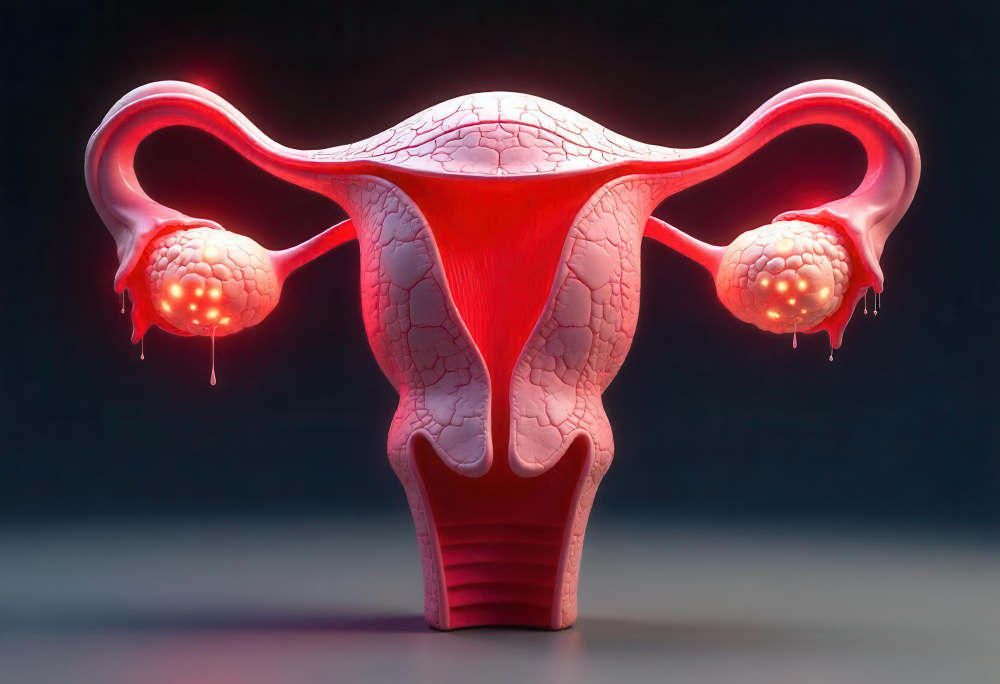
Pelvic inflammatory disease, or PID, is a serious infection of a woman’s reproductive organs. It often affects the uterus, fallopian tubes, and ovaries. Because PID can lead to long-term health problems, early detection is very important. According to the CDC, many women do not know they have PID until they have trouble getting pregnant. Therefore, knowing the signs and ways to prevent PID can protect your health.
Symptoms of PID
Pelvic inflammatory disease symptoms can be mild or severe. Sometimes, symptoms are so light that women may not notice them. However, early treatment is key. Watch for these common signs:
If you notice any of these symptoms, you should see a doctor soon. Early care can prevent serious problems.
Causes and Risk Factors
Most often, pelvic inflammatory disease is caused by bacteria. These germs usually travel from the vagina to the reproductive organs. The most common bacteria are from sexually transmitted infections, such as chlamydia and gonorrhea. However, other bacteria can also cause PID.
Several factors can increase your risk of PID:
Because these risks can be managed, knowing them helps you make safer choices.
Diagnosis Methods
Doctors use several methods for PID diagnosis. First, they ask about your symptoms and medical history. Next, they do a physical exam to check for pain or swelling. In addition, your doctor may use these tests:
Sometimes, doctors may need more tests if the diagnosis is unclear. Early and accurate PID diagnosis helps prevent long-term damage.
Treatment Options
When it comes to PID treatment options, antibiotics are the main choice. Doctors usually start treatment right away, even before test results return. This helps stop the infection quickly. You may need to take more than one antibiotic. It is very important to finish all your medicine, even if you feel better.
In some cases, you may need to stay in the hospital. For example, if you are very sick or pregnant, hospital care may be safer. Rarely, surgery is needed if there is an abscess or if antibiotics do not work.
Prevention Tips
There are simple steps you can take to lower your risk of PID. Here are some tips on how to prevent PID:
Because prevention is easier than treatment, these steps can protect your health.
Lifestyle Guidance for Recovery
After treatment, you can take steps to help your body heal. For example, rest as much as possible. Drink plenty of water and eat healthy foods. In addition, avoid sex until your doctor says it is safe. This helps prevent spreading the infection or getting it again.
Take all your medicine as prescribed. If you miss a dose, let your doctor know. Also, tell your partner to get checked and treated if needed. This lowers the chance of reinfection.
When to See a Doctor
If you have pelvic pain, unusual discharge, or fever, see a doctor right away. Early care can prevent serious problems, such as infertility or chronic pain. Even if your symptoms are mild, it is better to be safe. If you have finished treatment but still feel unwell, contact your doctor again.
In summary, pelvic inflammatory disease is a serious but treatable condition. Early diagnosis and treatment can protect your health.
For personalized advice about pelvic inflammatory disease, consult Dr.Mohsin Khan