
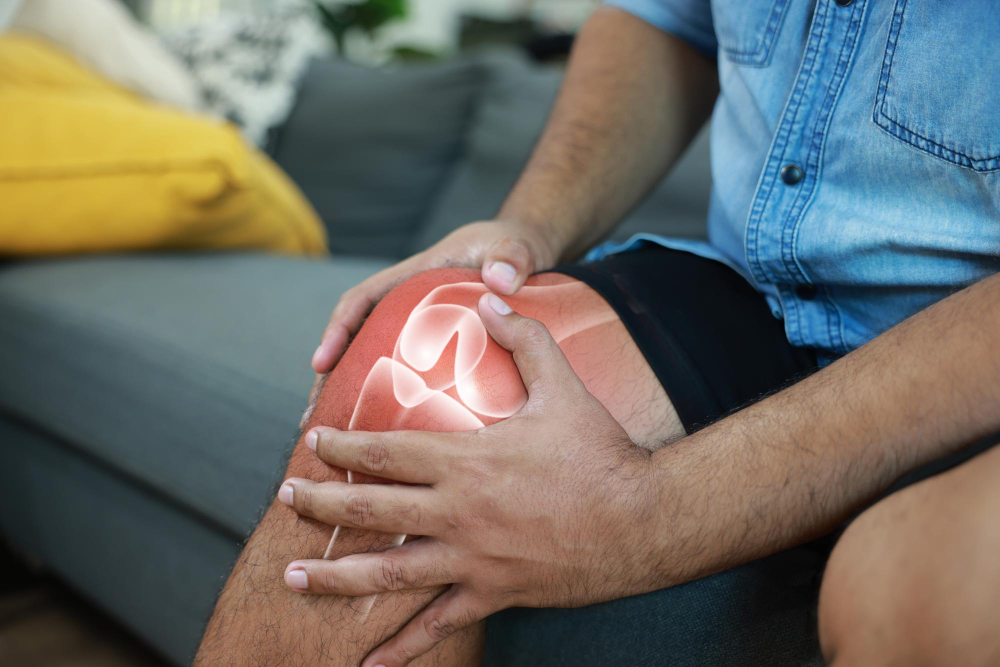
What is Knee Osteoarthritis?
Knee osteoarthritis is a common joint problem, especially in adults over 45. In this condition, the cartilage in the knee wears down over time. As a result, the bones in the knee may rub together. This can cause pain, swelling, and stiffness. According to the CDC, millions of people in the United States live with this type of arthritis. While knee osteoarthritis can affect anyone, it is more common in older adults and those with past knee injuries.
Early Symptoms of Knee Osteoarthritis
Often, early signs of knee osteoarthritis are mild. However, they can get worse over time. Recognizing these symptoms early can help you seek arthritis treatment sooner. Common early symptoms include:
Sometimes, symptoms may come and go. Over time, though, they may become more frequent and severe.
Common Causes of Knee Osteoarthritis
Several factors can lead to knee osteoarthritis. For example, age is a major risk factor. As people get older, their joints naturally wear down. In addition, other causes include:
Because these factors can add up, it is important to know your risks. Early action can help in managing knee pain and slowing joint damage.
Diagnosis of Knee Osteoarthritis
Doctors use several steps to diagnose knee osteoarthritis. First, they ask about your symptoms and medical history. Next, they check your knee for swelling, pain, or movement problems. In many cases, doctors order X-rays to look for joint changes. Sometimes, they may use MRI scans for a closer look at the soft tissues. Blood tests are not usually needed, but they can help rule out other causes of joint pain. Early diagnosis is key to starting the right arthritis treatment.
Available Treatment Options for Knee Osteoarthritis
There are many ways to treat knee osteoarthritis. The best plan depends on your symptoms and needs. For example, doctors may suggest:
In addition, many people find relief with a mix of treatments. Your doctor can help you choose the best options for managing knee pain and improving movement.
Lifestyle Tips for Managing Knee Osteoarthritis
With some changes, you can help manage knee osteoarthritis at home. For instance, staying active is important. Gentle exercises, like walking or swimming, can keep your knee flexible. Other helpful tips include:
Because each person is different, you may need to try several tips to see what works best for you.
Prevention Strategies for Knee Osteoarthritis
Although you cannot change some risk factors, you can take steps to protect your knees. For example, keeping a healthy weight reduces pressure on your joints. In addition, regular exercise helps keep your muscles strong. You should also:
With these prevention tips, you can lower your risk of knee osteoarthritis and enjoy better joint health.