
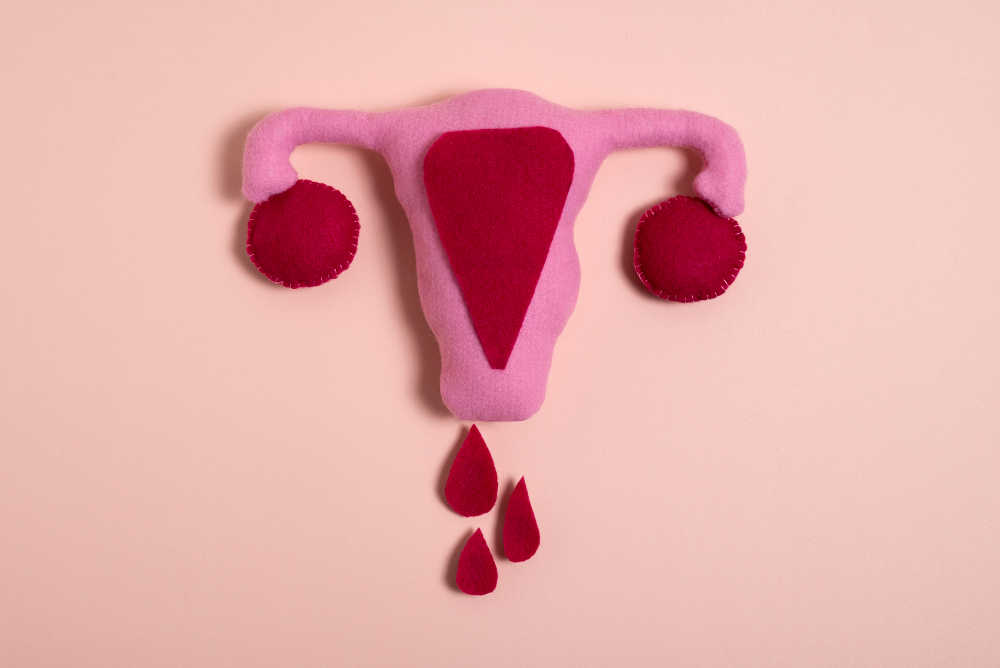
What Is Heavy Menstrual Bleeding?
Heavy menstrual bleeding is a common problem for many women. It means your period is much heavier or lasts longer than normal. In fact, doctors call this condition menorrhagia. For some, heavy menstrual bleeding can make daily life hard. You may need to change pads or tampons often. Sometimes, you may even miss work or school. The causes of heavy periods can vary. However, knowing the symptoms of heavy menstrual bleeding helps you spot problems early. If you wonder when to see a doctor for heavy periods, this guide will help.
Common Causes of Heavy Menstrual Bleeding
Several things can cause heavy periods. Sometimes, the reason is simple. Other times, it may point to a health problem. For example, changes in hormones can affect your period flow. Below are some common causes of heavy menstrual bleeding:
Sometimes, no clear cause is found. Yet, it is important to talk to your doctor if you notice changes.
Warning Signs and Symptoms
Heavy menstrual bleeding can show in many ways. For instance, you may need to change pads or tampons every hour for several hours. You might also pass large blood clots. Watch for these warning signs and symptoms:
If you notice these symptoms of heavy menstrual bleeding, you should see a doctor. Early care can help prevent problems like anemia.
Diagnosis of Heavy Menstrual Bleeding
Doctors use several steps to find the cause of heavy periods. First, they will ask about your health and period history. Next, they may do a physical exam. Sometimes, blood tests check for anemia or clotting problems. In addition, your doctor may suggest an ultrasound to look at the womb. Rarely, other tests like a biopsy or hysteroscopy are needed. These steps help your doctor find the best treatment for heavy menstrual bleeding.
Treatment Options for Heavy Menstrual Bleeding
Treatment for heavy menstrual bleeding depends on the cause. For some, simple changes or medicines can help. For others, more care may be needed. Here are common treatment options:
Your doctor will help you choose the best option. Often, treatment can improve your quality of life.
Lifestyle Tips and Prevention
While you may not always prevent heavy periods, some steps can help. For example, tracking your periods can spot changes early. Eating foods rich in iron, like spinach and beans, helps prevent anemia. Staying active and managing stress may also help balance hormones. If you take medicines that affect bleeding, talk to your doctor. Remember, regular check-ups can catch problems before they get worse. If you notice new or severe symptoms, seek medical advice quickly.